How to Start Your Own "Lime Scooter" Business with Lockii
August 2, 2026 · 11 min read
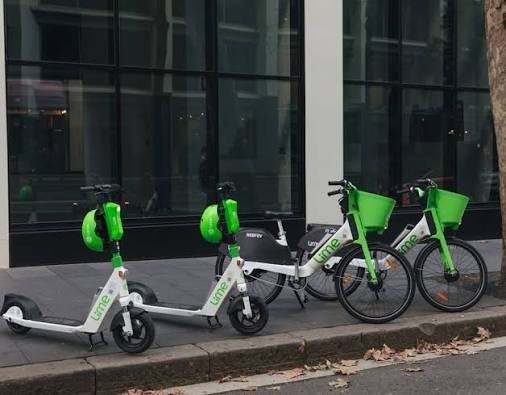
People say "Lime scooter business" when they mean: customers find a scooter on their phone, pay, unlock, ride, and end the trip without talking to anyone. That product feeling is real. Becoming a city-scale dockless company is a different (and much harder) game.
This guide is for operators who want to start a scooter or e-bike rental business that feels that simple, using Lockii for booking, locks, payments, and returns. Think hotel fleets, beach towns, campuses, tour shops, and defined hubs. Not "raise $50M and carpet a metro."
For the customer-journey mapping (QR → unlock → GPS return), see Build your own Lime-style scooter rental experience. For bike product context, see bike rentals on Lockii.
Decide what business you are actually starting
Write this down before you buy hardware:
| Model | How it works | Where it fits |
|---|---|---|
| Hub / dock style | Scooters live at known racks (hotel, shop, parking bay) | Easiest ops, clearest returns |
| Small dockless zone | Free float inside a geofenced area you service daily | Needs strong GPS rules and daily rebalancing |
| Tour / timed rental | Book for a window, return to you | Closest to classic bike rental, still contactless |
Most first-time operators should pick hub style. Lime's sidewalk density is expensive to maintain. Your first win is a reliable fleet customers can find and return without calling you.
Capital and fleet size
Start smaller than the pitch deck in your head.
A workable pilot is often 8 to 20 units at one or two locations you can visit every day. That is enough to learn theft patterns, brake failures, and dead batteries before you multiply mistakes.
Budget for more than the scooter sticker price:
- Locks or lock mounts (igloohome padlocks/cables or keyboxes if units still need a physical key)
- GPS trackers if the platform kit does not include them for your hardware choice
- Helmets, spare parts, chargers, signage, QR labels
- Insurance and any local permit fees
- A van trip or two per week for rebalancing and battery swaps (e-fleets)
Software on Lockii Pay As You Go starts at $12 USD per locked item per month (igloohome fee included on that path), with no booking commission. Hardware and labor still dominate early costs; treat software as the operating system, not the whole budget.
Permits, insurance, and the boring legal stack
City rules for shared scooters are not the same as renting bikes from a hotel closet. Before you print QR stickers:
- Check whether your municipality requires a micromobility permit, business license, or sidewalk restrictions
- Talk to an insurer who understands rental fleets (liability, theft, customer injury)
- Put age, helmet, and riding rules in your booking terms, not on a laminated sheet nobody reads
- Decide who is responsible when a scooter is left outside your zone
If you cannot get clear answers, stay on private property (resort, campus agreement, parking lease) until you can.
Locations that work without a call center
Good first sites have:
- Foot traffic that already wants short rides (beach path, downtown hotel, campus edge)
- A legal place to park overnight
- Phone signal good enough for booking pages (locks with offline PIN codes still help at the rack)
- A return spot you can describe in one photo
Bad first sites: "anywhere downtown" with no rebalancing plan, or a rural lot with no demand.
Partner locations (hotels, campgrounds, shops) can work on a revenue share if you keep the booking and unlock flow under your brand. Lockii supports multi-location fleets so partners are not running a separate spreadsheet.
Hardware: scooters, locks, trackers
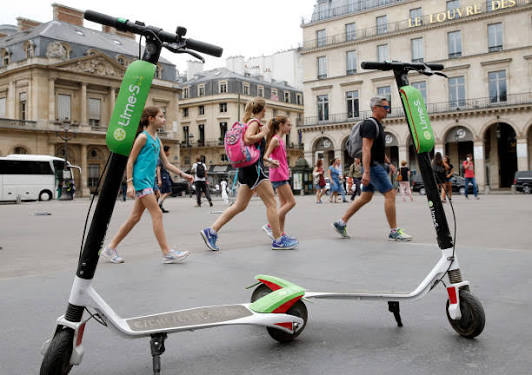
Scooters or e-bikes. Buy what you can service locally. Fancy IoT scooters with closed ecosystems lock you into one vendor. Commodity units plus smart locks and GPS are usually easier for a small operator.
Locks. Outdoor-rated locks that take time-bound codes. See Best smart locks for self-service rentals and igloohome on Lockii.
GPS. Mobile assets need return proof and theft recovery paths. Lockii's GPS tracking ties location to the booking so "they said they returned it" is not a shrug.
QR / NFC. One durable code per unit or bay that opens the right booking page. That is the Lime-like "scan to start" moment, even if unlock is a PIN on a padlock.
Software setup (the short version)
- Create products and units in Lockii with clear photos
- Attach locks (and GPS where needed)
- Set hourly/daily rates, deposits, and damage rules
- Turn on identity verification if theft risk or local rules warrant it
- Publish online booking: site widget plus QR targets
- Write return instructions that match the real rack
- Run three test bookings after hours before you advertise
Operators on Lockii report about 96% of rentals finishing without staff intervention when the path is clear. Your job is exceptions: stuck unlocks, damaged units, missing scooters.
For the step-by-step customer journey, use the Lime-style experience guide.
Pricing that does not trap you
Lime-style unlock + per-minute pricing works when utilization is high and trips are short. For a hub fleet, daily or half-day rates are often simpler and less support-heavy.
Whatever you choose:
- Show the price before payment
- Be explicit about late return fees
- Keep deposits high enough that "ghosting" hurts the renter, not only you
- Offer self-service extensions so you are not renegotiating by text at 9pm
First 30 days after launch
Week 1: friends-and-family bookings only. Fix confusing return photos and dead lock batteries.
Week 2: open to the public at one site. Watch which unit gets abused first.
Week 3: add a second rack only if rebalancing is already boring.
Week 4: tighten geofences, update FAQ answers from real support tickets, and decide whether e-fleet charging SOP is sustainable.
If something is painful manually, automate it or kill the feature. Do not scale chaos.
What you are not building
You are not building Lime's consumer app, their city contracts, or their juicer network. You are building a contactless rental business for scooters or bikes you own, on an autonomous rental platform that already does booking, locks, ID, GPS, and payments.
If your alternative is stitching Jotform + Stripe + a lock app, read Lockii vs a DIY stack. If you are comparing staffed rental software, see Lockii vs Booqable.
Next steps
Buy a small fleet you can service. Pick one legal hub. Wire locks and Lockii. Run after-hours tests. Then advertise.
Start a free trial. See bike rentals, customers, and the Lime-style experience post for the ride flow itself.