Top Technologies for Rental Theft Prevention
April 3, 2026 · 13 min read
Top Technologies for Rental Theft Prevention
Rental theft is a costly problem, with U.S. businesses losing over $100 million annually. Recovering stolen equipment is rare, as less than 25% is ever found. Thieves are becoming more advanced, targeting holidays like Memorial Day and disabling GPS trackers. To combat this, rental companies are turning to advanced tools that prevent theft and improve recovery rates. Here's a quick summary of the key technologies:
- GPS Tracking: Tracks equipment in real-time, with geofencing and remote immobilization features.
- RFID Systems: Monitors smaller tools and provides chain-of-custody tracking.
- Digital Locks: Replaces physical keys with PIN-based access, preventing unauthorized use.
- CCTV Cameras: Deters theft and provides evidence with high-resolution footage and motion detection.
- Motion Sensors & Alarms: Detects after-hours activity and triggers alerts.
- Rental Management Software: Integrates these tools, offering real-time monitoring, identity verification, and securing contactless rentals with automated alerts.
These tools work best when combined into a multi-layered security system, reducing theft risks and ensuring faster recovery. Rental software platforms like Lockii streamline security by centralizing GPS tracking, digital locks, and audit logs into one interface. This approach not only protects assets but also simplifies operations for rental businesses.
IPAF Webinar: Fraud and Theft Prevention - Practical Steps for the Access Industry
sbb-itb-eb44693
Top Technologies for Preventing Rental Theft
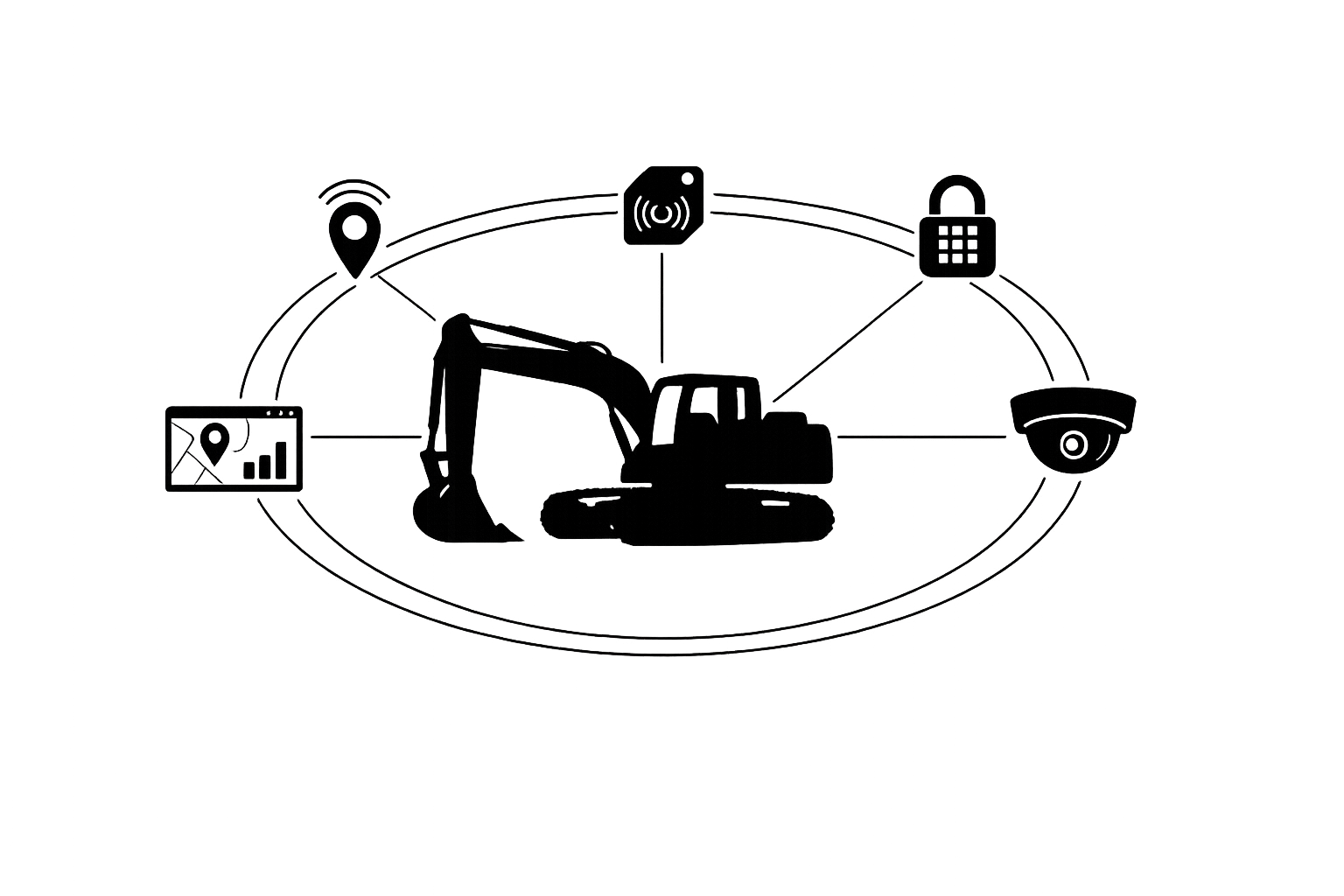
A layered security approach is the best way to protect rental equipment. By combining perimeter protection, asset tracking, and access control, you create multiple barriers that make theft significantly harder without adding friction for your customers. Each layer addresses a specific vulnerability, working together to form a strong defense.
For example, electric security fences and CCTV cameras safeguard the perimeter of rental yards and warehouses. Once equipment leaves the facility, GPS tracking and telematics ensure real-time monitoring for quick recovery. On an individual level, digital locks prevent unauthorized use, while RFID systems track smaller tools and attachments. Motion sensors and alarm systems add another layer by detecting after-hours activity and triggering immediate alerts.
The real power lies in integration. When these technologies feed into a centralized system, they create a security network that not only deters theft but also speeds up recovery. According to AMAROK, businesses can save an average of $120,000 annually by replacing 24/7 security guards with electric fences and remote monitoring solutions[6].
Here's how each technology contributes to this strategy:
GPS Tracking and Telematics
What started as a simple location tool has grown into a robust theft prevention system. Modern telematics platforms provide real-time location updates, allowing managers to track equipment across job sites and receive instant alerts when assets leave designated areas.
Geofencing is a standout feature. It creates virtual boundaries around approved locations, triggering alerts if equipment moves outside these zones. For added control, time-fencing restricts equipment operation to specific hours. For example, if someone tries to use a machine during a holiday weekend, the system can automatically disable it[2].
However, thieves are getting smarter. They often know where factory-installed GPS trackers are located and disable them after stealing equipment. To counter this, many businesses now use secondary hidden trackers that are harder to detect, significantly boosting recovery rates[5].
Dalia Khatib of Trackhawk GPS highlights the importance of remote immobilization:
"Advanced systems like Trackhawk GPS go beyond tracking by offering a remote kill switch that allows owners to disable stolen equipment so it can't be started or operated."[1]
Choosing between wired and battery-powered GPS depends on the asset. Wired trackers are ideal for powered equipment like excavators, as they provide continuous data without battery concerns. Battery-powered trackers, on the other hand, are better for unpowered items like trailers or tools, as they can last for years without recharging[5].
RFID Tracking Systems
RFID systems are perfect for managing smaller tools and attachments that are too numerous or low in value for GPS tracking. By assigning unique RFID tags to assets and employees, you can automatically log who last used each item. This makes it much easier to track down missing equipment, whether it’s a power drill or a chainsaw.
The real game-changer is chain-of-custody tracking. If a tool goes missing, you can immediately see who checked it out last, reducing losses from both theft and misplacement. RFID systems also streamline inventory management. This is one of several ways to automate rental business operations to improve efficiency. Instead of manually scanning each item, you can conduct automated end-of-day counts, making it easier to spot missing items early - critical for improving recovery rates.
Digital Locks and Keyless Access Systems
Traditional keys are a major weak point in equipment security. Many manufacturers use the same key across entire product lines, meaning one key can start multiple machines[3]. Thieves exploit this by obtaining or copying a single key, giving them access to numerous rentals.
Digital locks solve this problem by replacing physical keys with PIN-based ignition systems. Only authorized personnel with a valid PIN can start the equipment. Temporary PINs for short-term renters can also be set to expire automatically, ensuring access is revoked as soon as the rental period ends[3].
inspHire explains the added security of wireless relays:
"The keyless ignition system works on a secure PIN basis. To get the equipment up and running, the operator is required to enter a pre-programmed PIN number... Equipping the keyless ignition or fuel pump circuit with wireless relays will also help to prevent the equipment being hotwired."[3]
Wireless relays add an extra layer of protection. Even if thieves bypass the digital lock, the relay prevents the machine from starting. Digital access systems can also secure facility entry points with swipe cards or keypad-controlled gates, making it harder for thieves to move stolen equipment off-site without triggering alerts.
CCTV and Surveillance Cameras
Security cameras serve two critical roles: they discourage theft and provide evidence when incidents occur. Visible cameras with clear signage make rental yards less appealing to criminals, who prefer to avoid being recorded.
Modern systems with features like thermal imaging and night vision ensure clear footage even in complete darkness - essential since most thefts happen after hours. Cloud-based monitoring lets managers check live feeds from their phones or tablets, allowing for 24/7 oversight without needing on-site staff.
Motion detection enhances security by triggering recording and alerts when activity occurs in restricted areas. Some systems even integrate with floodlights, which activate when movement is detected, often scaring off would-be thieves before they can act. High-resolution footage also helps law enforcement identify suspects, vehicles, and license plates, improving recovery rates.
Motion Sensors and Alarm Systems
Motion sensors and alarms provide immediate responses to unauthorized activity. When sensors detect movement in equipment yards or warehouses during closed hours, they can trigger sirens, floodlights, and notifications to security teams or law enforcement.
Electric security fences add another layer of protection. These fences deliver a pulsed shock to deter intruders and trigger alerts if someone tries to cut through or climb over them[6]. Unlike traditional fences, they create both a physical and psychological barrier, discouraging theft attempts.
Integration is key here. For example, when a motion sensor detects activity near high-value equipment, it can activate cameras, send location data, and alert management - all within seconds. This rapid response is especially critical during high-risk periods like holiday weekends, when rental yards are typically unstaffed[2].
Together, these tools create a comprehensive security system that not only protects your assets but also ensures smooth rental operations.
Using Rental Management Software to Prevent Theft
Bringing security technologies together in a single platform makes theft prevention far more effective. Instead of managing separate systems for GPS tracking, RFID, digital locks, and surveillance cameras, modern rental management software combines all these tools into one streamlined interface. These platforms integrate telematics, RFID, and keyless systems, allowing for faster data analysis and quicker responses when issues arise[3].
Theft is a massive problem in the equipment rental industry, costing businesses over $100 million each year, with more than 360 pieces of equipment stolen monthly[6]. Rental management software helps tackle this issue by offering real-time fleet monitoring. For example, unauthorized movement of equipment can trigger instant alerts via text, email, or app notifications. If someone tampers with a digital lock or a motion sensor detects activity outside business hours, you'll know immediately - no waiting until the next day to discover the problem.
Here’s a look at the key security features these platforms offer to help prevent theft.
Security Features in Rental Management Software
Modern rental platforms include built-in features specifically designed to combat theft. One standout tool is identity verification. By integrating with driver's license scanning systems, the software verifies customer credentials in real-time, cross-checking them against national databases. This ensures invalid IDs are flagged before equipment is handed over.
Another powerful feature is geofencing and time-fencing. These tools let you set virtual boundaries around approved job sites and restrict usage to specific hours. If equipment moves beyond the geofenced area or operates outside the allowed time frame, the system sends immediate alerts and can even disable the machine remotely. For example, Garret Shurling, CEO of Badger Rental Services, uses geofencing to receive alerts whenever equipment travels more than 130 miles from the yard[4].
Audit logs add another layer of security by creating a digital record for every piece of equipment. The software tracks who last used it, where it was assigned, and when it was checked out or returned. This detailed chain of custody is invaluable for investigating theft, as it provides law enforcement with precise timelines and identifies the last authorized user. For smaller tools equipped with RFID tags, the software automates inventory counts at the end of each day, making it easier to spot missing items early.
Additionally, the platform stores essential information like make, model, and serial numbers for all assets. This data is immediately accessible when filing police reports or insurance claims, saving time and ensuring accuracy.
How Lockii Helps Prevent Theft
Lockii is a prime example of a platform that integrates advanced security features into its system. Designed for 24/7, contactless operations, Lockii pairs digital locks with auto-expiring PINs and GPS tracking to provide real-time location updates and geofencing alerts.
The platform works with IglooHome digital locks, which use temporary PIN codes that expire at the end of the rental period. This eliminates the risks associated with physical keys, such as duplication or unauthorized use after the rental ends. With Lockii, only authorized users can access equipment, ensuring better security.
Identity verification is handled at the booking stage. Lockii integrates with Stripe Identity to confirm customer credentials before they pick up the equipment. This reduces the risk of "voluntary parting" fraud, where fake IDs are used to rent equipment that is never returned.
Lockii also uses Item Audit Logs and Booking Audit Logs, along with hire end photos and quizzes, to track every interaction with equipment. Customers must document the condition and location of items before completing their rental, creating accountability and providing a complete timeline for law enforcement in case of theft.
For businesses with multiple locations, Lockii's multi-location support allows you to monitor security across your entire operation from a single dashboard. The platform also includes maintenance tracking, which flags equipment needing repairs or servicing, reducing the chances of items being left behind or forgotten at job sites.
Technology Comparison
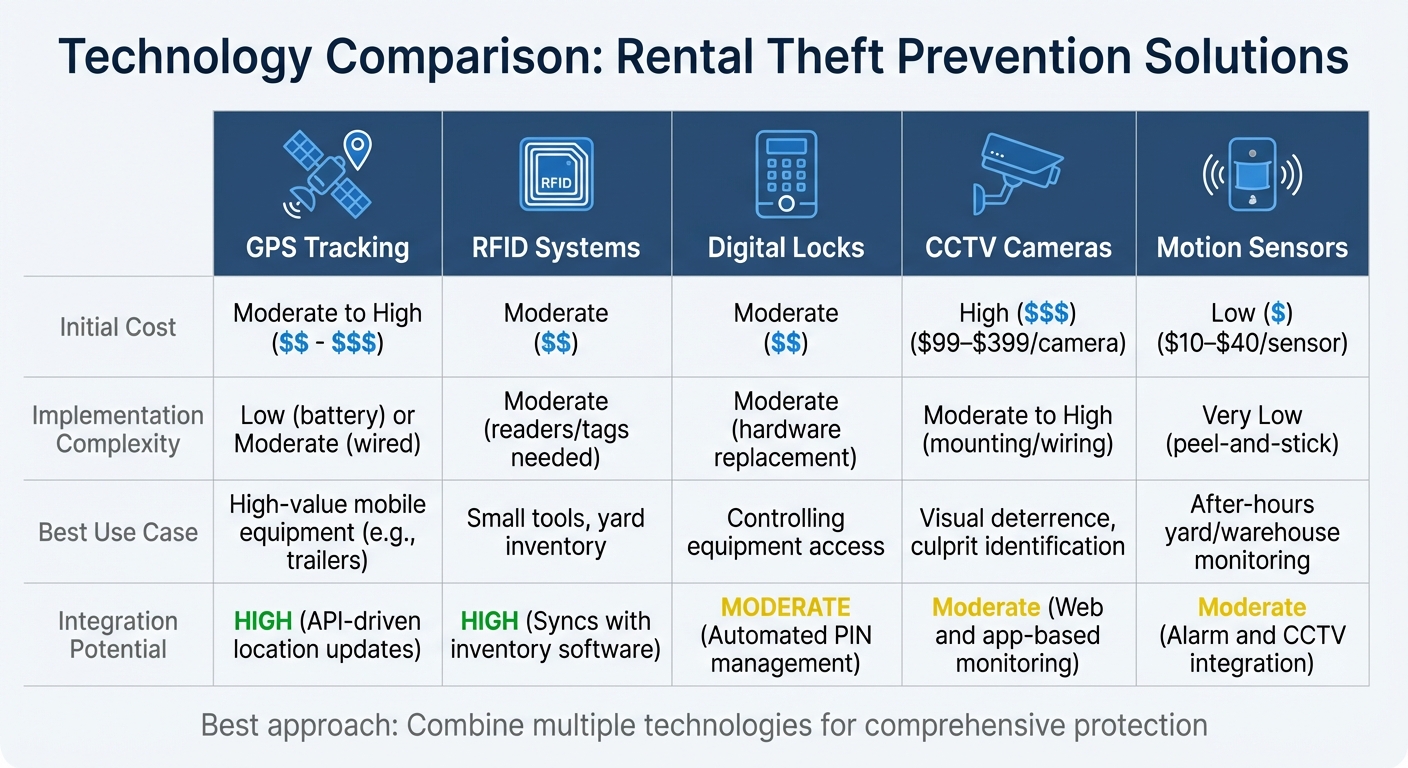
When it comes to securing your rental business, understanding the strengths, costs, and complexity of different technologies is crucial. This breakdown will help you choose the right tools to create a layered security system that suits your budget and operational needs.
GPS Tracking
GPS tracking shines when it comes to theft recovery. It provides continuous, wide-area monitoring through cellular networks, making it perfect for high-value mobile assets. Costs range from moderate to high, as you’ll need both hardware and a monthly service plan. Installation can be straightforward if battery-powered or slightly more involved for wired systems that connect to vehicle electronics. GPS tracking also integrates seamlessly with rental management software, offering features like real-time location updates and geofence alerts [3][5].
RFID Systems
RFID systems are best for tracking small assets and managing inventory. These systems use inexpensive tags, but you’ll need to invest in handheld or vehicle-mounted readers. RFID creates a digital chain of custody, which is especially helpful for investigating internal theft. Most rental platforms can sync RFID data, simplifying inventory counts and improving efficiency [3].
Digital Locks and Keyless Access
Digital locks replace physical keys with secure PIN codes, offering a modern way to manage equipment access. Costs are moderate, covering hardware upgrades, while implementation involves replacing locks and possibly adding wireless relays to prevent tampering. These locks integrate with rental software, enabling features like automatic PIN expiration when rentals end or employee access changes [3].
CCTV Cameras
CCTV cameras act as both a deterrent and a tool for identifying culprits. Initial costs range from $99 for basic models to $399 for advanced options with features like facial recognition or thermal imaging. Installation complexity varies, especially in larger areas that need multiple cameras and professional mounting. While great for on-site security, their effectiveness drops once equipment leaves the premises. Many systems now offer web and mobile app integration for remote monitoring [7][10][3].
Motion Sensors and Alarm Systems
Motion sensors are one of the most affordable options, with individual sensors priced between $10 and $40. They’re easy to install, often using peel-and-stick designs, and are effective for after-hours monitoring. These sensors can trigger alerts when movement or heat is detected and often connect to broader alarm or CCTV systems for added security [7][8][3][9].
Comparison Table
| Technology | Initial Cost | Implementation Complexity | Best Use Case | Integration Potential |
|---|---|---|---|---|
| GPS Tracking | Moderate to High | Low (battery) or Moderate (wired) | High-value mobile equipment (e.g., trailers) | High (API-driven location updates) |
| RFID Systems | Moderate | Moderate (readers/tags needed) | Small tools, yard inventory | High (Syncs with inventory software) |
| Digital Locks | Moderate | Moderate (hardware replacement) | Controlling equipment access | Moderate (Automated PIN management) |
| CCTV Cameras | High ($99–$399/camera) | Moderate to High (mounting/wiring) | Visual deterrence, culprit identification | Moderate (Web and app-based monitoring) |
| Motion Sensors | Low ($10–$40/sensor) | Very Low (peel-and-stick) | After-hours yard/warehouse monitoring | Moderate (Alarm and CCTV integration) |
Building a Comprehensive Solution
The best approach is to combine these technologies. Use GPS tracking for high-value mobile assets, RFID systems for small tools and inventory, digital locks to manage access, and motion sensors or CCTV cameras to secure your yard. By integrating these tools with your rental management software, you can enhance security while streamlining operations. You can also use a contactless rental process planner to further automate your workflow.
Conclusion
Rental theft racks up losses exceeding $100 million every year, with more than 360 pieces of equipment stolen monthly [6]. While no single technology can eliminate theft entirely, combining multiple layers of protection is key. Tools like GPS tracking help recover stolen assets, digital locks regulate access, RFID systems manage inventory, and CCTV cameras deter opportunistic thieves. The real power, however, comes when these tools are integrated into a single, cohesive platform [3].
"Being able to bring all of these technologies together increases the impact each one can have upon your efforts to combatting theft." - inspHire Ltd. [3]
Lockii demonstrates how integration drives results. With features like GPS tracking, digital lock compatibility via IglooHome, identity verification and fraud prevention, and detailed audit logs, Lockii provides a one-stop solution for managing your rental operations. The platform automates PIN code management, sends alerts when equipment crosses geofenced boundaries, and keeps the detailed records law enforcement needs for recovery. This kind of integration doesn’t just address theft - it lays the groundwork for smarter, more proactive security measures.
The next frontier in rental security lies in predictive analytics, which can identify suspicious activity before theft even happens [4]. Companies such as Cooper Equipment Rentals already report an 80% recovery rate by combining GPS tracking with centralized management systems [4]. By merging tried-and-true security measures with cutting-edge analytics, rental businesses can turn asset protection into a real competitive edge. Choosing software that unifies your security tools doesn't just safeguard your assets - it streamlines operations and supports growth without increasing staff.
Start by securing your most valuable assets, build a robust multi-layered defense, and tie it all together with centralized software for real-time oversight. This strategy doesn't just fight theft - it transforms your approach to security into a business advantage.