
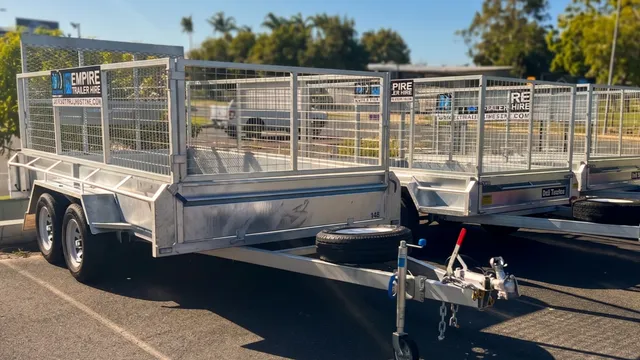
Alternatives to trailer rental marketplaces
December 2, 2025 · 8 min read
If you own trailers and want more rentals, marketplaces look easy. List the asset, wait for bookings, collect a payout. For some weekend owners that is enough. For operators building a real fleet (multiple units, a yard, a brand customers already search for), the trade is different: you give up margin, customer ownership, and ops control for demand you do not control.
Here is a straight comparison of the four paths operators actually take: peer-to-peer marketplaces, staffed counter software, a DIY stack of tools, and owning a branded self-service system. Trailer and equipment rental only.
The four paths at a glance
| Path | Who owns the customer | Typical fee model | Contactless pickup | Best fit |
|---|---|---|---|---|
| P2P marketplaces (Towlos-style) | Marketplace | Commission / platform cut per rental | Varies; often manual coordination | Occasional owners who need demand |
| Staffed rental software (e.g. Booqable) | You | SaaS subscription | Weak unless you bolt on locks yourself | Counter-based shops with staff on site |
| DIY stack (booking + locks + payments + SMS) | You | Many vendors, many invoices | Possible, fragile | Tech-comfortable operators who like glue |
| Branded self-service (Lockii) | You | Per locked item; no booking commission | Built in | Fleets that want 24/7 pickup under their brand |
1. Peer-to-peer marketplaces: demand for a cut of the business
Platforms in the Towlos mold match people who need a trailer with people who have one. That solves discovery when you have no website traffic and no local brand. The problems show up once volume rises.
Customer ownership. The renter often finds the trailer on the marketplace, not on your site. Repeat bookings and reviews sit inside their system. You become supply, not the storefront.
Fees. Marketplace economics usually take a cut of the rental or charge both sides. That compounds on high-value weekend trailers. Soft math: a 15-20% platform take on a busy fleet is real money, money that would otherwise fund another unit or a second location.
Ops mismatch. Fleet operators need identity checks, deposits, damage photos, GPS returns, and time-bound lock access. Consumer marketplace flows are built for casual owners handing over keys, not for a yard running after-hours car carriers and tippers.
Brand dilution. Your trailers look like everyone else's listing. Fine if you are testing demand. Painful if you already advertise locally and want customers to book "Empire" or "JD" again next month.
Use a marketplace when:
- You have one or two trailers and no marketing engine
- You want to validate demand before buying more assets
- You accept that the platform owns the relationship
Skip it as your long-term stack when you already have demand, a yard, or a name people recognize.
2. Staffed rental software: strong at the counter, thin on contactless
Tools like Booqable are real rental software. Inventory, pricing, contracts, and a counter workflow that staff know how to run. If someone is always on site to check IDs, hand over keys, and inspect returns, that model works.
Where it falls short for self-service trailer yards:
- Access is not the product. You still need locks, codes, and automation tied to the booking window. Without that, "online booking" still means a human at pickup.
- After-hours demand dies. Trailer rentals peak when shops are closed: Friday evenings, early Saturday mornings, Sunday returns. A counter system without unmanned pickup leaves that revenue on the table.
- Staff scales with volume. Every new location or late shift needs people. Software that assumes a desk does not remove the desk.
Booqable and similar platforms are not bad. They optimize for a different business: staffed rental shops. If your plan is contactless trailers with PIN pickup and GPS returns, you are fighting the product. See the full Lockii vs Booqable comparison if you are mid-evaluation.
3. DIY stack: you own everything, including the glue
Some operators stitch booking widgets, Stripe, igloohome's app, SMS tools, and a spreadsheet. On paper it is cheaper. In practice it becomes a second job:
- Codes typed by hand into a lock app
- Payment status that does not match access
- No shared source of truth when a customer says "I extended on Venmo"
- Broken handoffs when one vendor changes an API
We wrote about this path in detail: Lockii vs a DIY stack. The short version: DIY can work at two trailers. At twenty, the glue is the product, and you are the unpaid vendor.
4. Own the stack: branded self-service with Lockii
Lockii is built for operators who want the marketplace outcome (book online, pick up without staff) without giving away the customer or the margin.
What that looks like in practice:
- Your brand, your site. Embeddable booking widgets on your website. Customers book you, not a middleman.
- Access follows the booking. Native igloohome and KeyCafe integrations issue time-bound codes or key access when the rental starts and revoke it when it ends. See smart locks for rentals.
- Trust without a counter. Identity verification before unlock, Stripe payments and deposits, return photos, and GPS return confirmation.
- Exception-only ops. Lockii's product claim is that about 96% of rentals finish without staff intervention. You step in for stuck locks, damage, and edge cases, not every Saturday morning handover.
- Pricing that matches fleet growth. Pay As You Go from $12 USD per locked item per month, including the igloohome fee, with no booking commission. You keep the rental revenue.
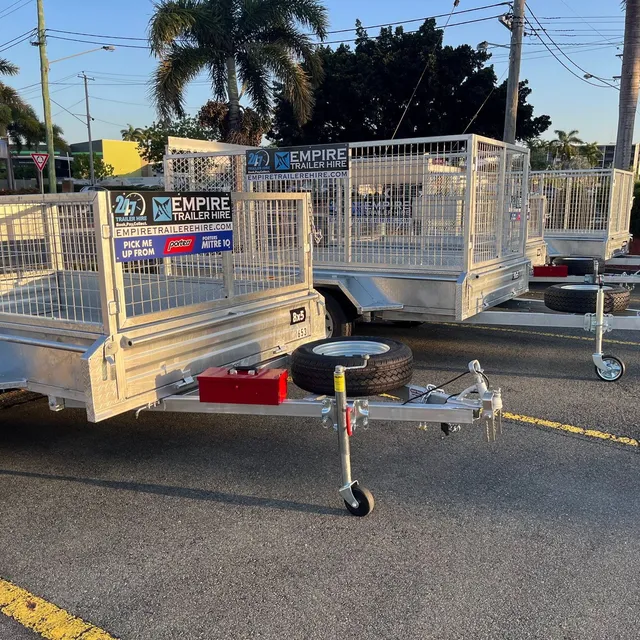
This is the path Empire-style fleets take when they want a second yard without a second full-time counter person. More on that model: self-service trailer rentals and customer stories.
Named products operators ask about
- My Trailer Rentals alternative
- Lockii vs Neighbors Trailer
- AutomateBoss alternative
- Lockii vs Big Rentals/HQRent
How to choose
Ask these questions:
- Who should own the next booking? If the answer is "us," marketplaces are a lead channel at best, not the system of record.
- Will someone be on site for every pickup? If no, staffed software alone is incomplete. You need locks and booking automation.
- How many tools can we babysit? If the honest answer is "one," skip DIY.
A practical sequence many operators use:
- Pull high-demand units onto your own booking site first.
- Put outdoor locks on those units and automate codes.
- Keep a marketplace listing only if it still sends overflow you cannot fill yourself, and price it knowing the cut.
Which path fits
Marketplaces sell demand. Staffed software sells counter efficiency. DIY sells flexibility until it breaks. Lockii is for an independent, branded self-service operation: book on your site, unlock with a PIN, return with GPS, pay through Stripe, intervene only on exceptions.
If you are ready to stop renting your customers to a platform, start a free trial or read how operators grow once pickup no longer needs a person: How to grow your trailer rental business.